
2026/8/5 ・ Aiko Yamamoto
The Surprising Benefits of Bilingual Programming Education

Many people assume that programming education is purely technical, focused only on syntax and algorithms. Yet when that education happens in two languages, the advantages multiply in unexpected ways. At biblyora we see students every day who arrive thinking they are simply learning to code, only to discover sharper problem-solving abilities and new career paths they never imagined.
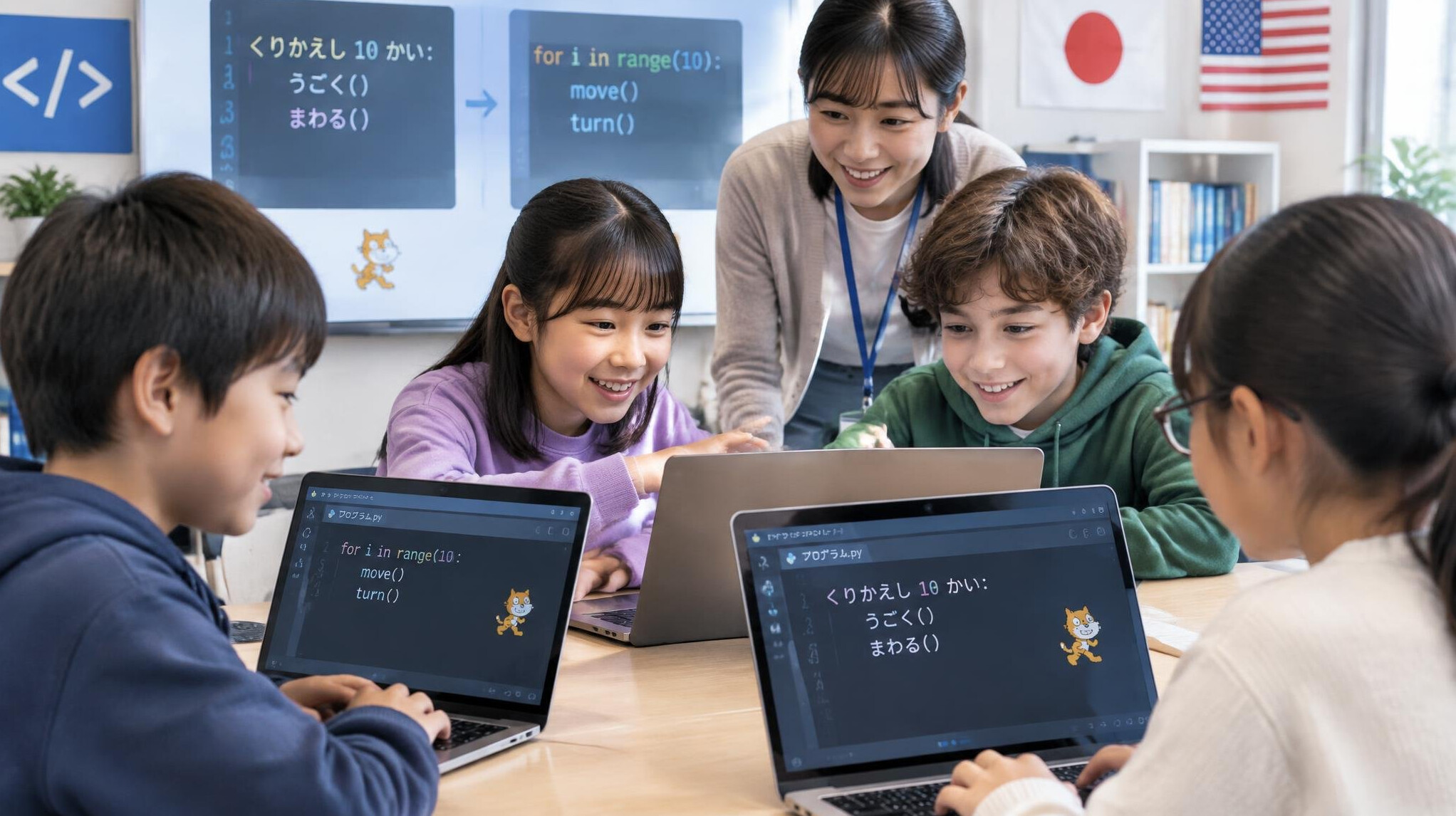
Cognitive Flexibility That Sticks
Switching between English and Japanese while writing code forces the brain to juggle structures constantly. This mental workout builds cognitive flexibility that transfers far beyond the screen. Students report better memory retention and quicker adaptation when they later tackle new frameworks or even entirely different subjects like mathematics or design. One learner described it as “training two parts of my mind at once,” and the effect shows up in faster debugging sessions and more creative solutions during group projects.
Real-World Career Advantages
Japan’s tech industry continues to grow, yet many global companies still rely on English documentation and international collaboration. Graduates who are comfortable in both languages move seamlessly between local startups and overseas teams. They read research papers in English, then explain concepts to Japanese colleagues without losing nuance. Employers notice this bilingual edge during interviews, often leading to higher starting salaries and quicker promotions. In our recent cohort, several students landed roles at multinational firms within weeks of finishing the course.

Cultural Context Deepens Understanding
Programming concepts sometimes carry cultural assumptions that only become clear when taught in two languages. For example, certain error messages or best practices make more sense once students compare how Japanese and English communities discuss the same topic. This layered perspective reduces frustration and builds empathy for users from different backgrounds. It also prepares learners for open-source contributions where clear communication across cultures is essential.
Learning code in Japanese helped me appreciate how language shapes logic. Now I write cleaner comments that teammates from any country can follow.
— recent biblyora graduate
Everyday Confidence Boost
Beyond technical skills, bilingual programming education builds quiet confidence. Students who once hesitated to speak up in meetings now explain complex ideas in either language. Parents often mention that their children seem more curious about the world and more willing to try new things. The habit of translating code logic between languages spills over into daily life, making travel, reading, and even watching foreign films more rewarding.

Long-Term Personal Growth
The benefits do not stop at graduation. Many alumni continue using both languages in side projects, freelance work, or further studies abroad. They maintain connections with classmates from different countries and stay updated on global tech trends without language barriers. Over time this creates a network that supports lifelong learning and unexpected opportunities.
At biblyora we design every lesson to weave language practice into coding exercises naturally. The result is not just better programmers, but more adaptable, curious, and globally minded individuals ready for whatever comes next.